One Man. One Knee. One Nation Changed.
Issue 9 | Thursday, March 12, 2026 | The Formation Forge

– 4 min read


Issue 9 | Thursday, March 12, 2026 | The Formation Forge
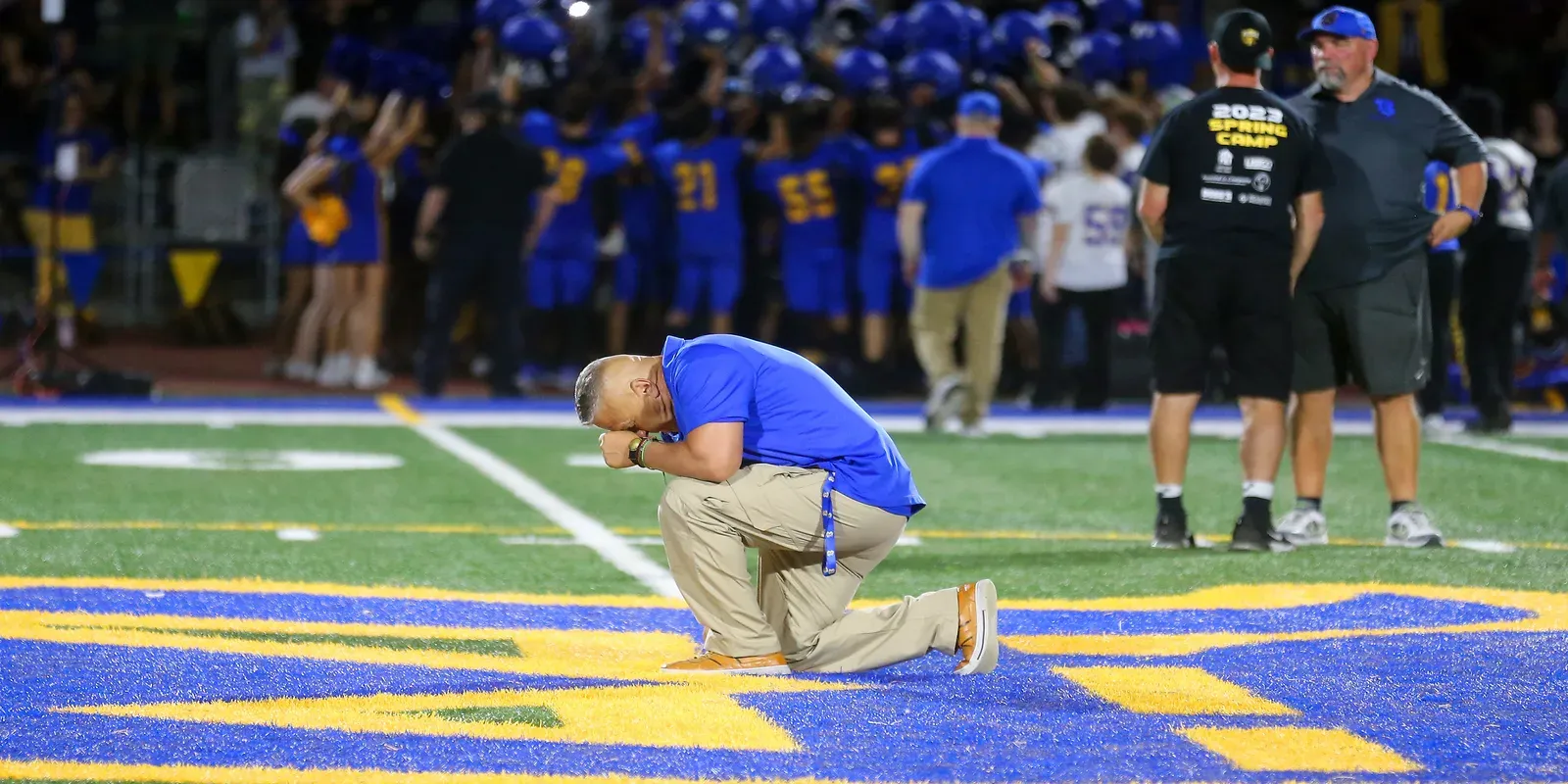
In 2015, a high school football coach in Bremerton, Washington walked to the fifty-yard line after a game and did something he had done after every game for seven years.
He knelt down and prayed. Quietly. Briefly. Alone.
The school district told him to stop. He didn't. They suspended him. He fought. For seven years, through lost employment, public ridicule, and a legal battle that went all the way to the Supreme Court of the United States, Joe Kennedy stayed on his knees.
In 2022, the Supreme Court ruled 6-3 in his favor. A Guardian needs to understand not just what he won — but what made him capable of winning it.
Joe Kennedy was not a theologian. He was not a culture warrior. He was not looking for a fight.
He was a Marine veteran and a high school football coach who had made a personal commitment — a quiet one, between himself and God — that after every game, win or lose, he would take a moment to give thanks. He started doing it in 2008. He did it alone. He never required his players to join him. He never made it an event. He just knelt at the fifty-yard line and prayed.
Seven years passed without incident.
Then in September 2015, the Bremerton School District noticed. They sent Kennedy a letter informing him that his post-game prayers were a violation of the Establishment Clause and that he must stop immediately. They offered him alternatives — pray in private, after the stadium had cleared, out of public view. Faith was welcome, they told him, as long as no one could see it.
Kennedy's response was simple and direct. He would not pray in hiding. His faith was not a private accommodation to be managed by his employer. He would continue to pray where he had always prayed — briefly, quietly, at the fifty-yard line — and he would do it as himself, not as a version of himself the district found acceptable.
He was placed on administrative leave. His contract was not renewed. He lost his job.
What followed was not a moment of clarity quickly resolved. It was seven years of sustained, costly faithfulness. Seven years of legal battles, public scrutiny, and the particular kind of weariness that comes from fighting an institution that has decided you are the problem. Kennedy was caricatured in the press. His motives were questioned. The opposition argued that a coach kneeling in silence was a threat to the constitutional order.
He stayed on his knees.
What is easy to miss in the legal victory — and what matters most for a Guardian — is what sustained Kennedy through seven years of losing before he won. It was not legal strategy. It was not media savvy. It was something quieter and more durable: the settled conviction that what he was doing was right, that the One he was praying to was worth the cost, and that a faith worth having is a faith worth being seen having.
Kennedy never claimed to be a hero. In interviews he consistently deflected credit — to his lawyers, to his supporters, to God. But the courage he modeled was the particular kind that does not announce itself. It simply refuses to move. It does not negotiate its terms based on what the watching world is willing to accept. It does not disappear when the cost becomes real.
On June 27, 2022, the Supreme Court ruled in Kennedy v. Bremerton School District that the school district had violated Kennedy's First Amendment rights. Justice Gorsuch, writing for the majority, made the point directly: the Constitution neither mandates nor permits the government to suppress religious expression simply because it occurs in a public place and might be observed by others.
One man. One knee. Fourteen years from first prayer to final ruling. The legal landscape for every public employee of faith in America changed because a football coach in Washington state refused to pray in hiding.
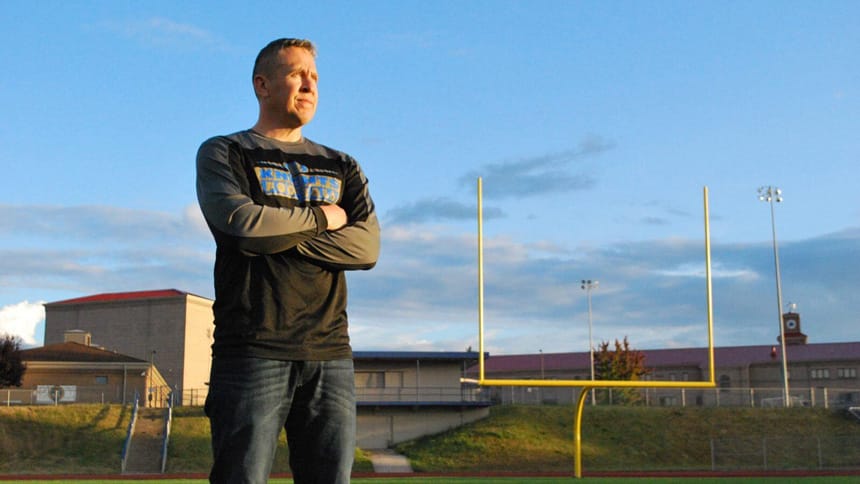
The culture will always offer you a private corner for your faith. A version of belief that doesn't make anyone uncomfortable. A Christianity that stays inside the building.
Kennedy's answer — and the Supreme Court's answer — is that faith exercised in public is not a threat to the constitutional order. It is a constitutional right. A Guardian does not need permission to live their convictions where they are. They need the courage to stay on their knees when someone tells them to get up.
Don't negotiate what isn't yours to give away.
Wednesday's featured article, They Always Said So, makes the historical case — what the founders actually believed about faith in public life, and why the attempt to scrub it from the public square is the revisionist position, not the faithful one. Kennedy's story is the living version of that argument.
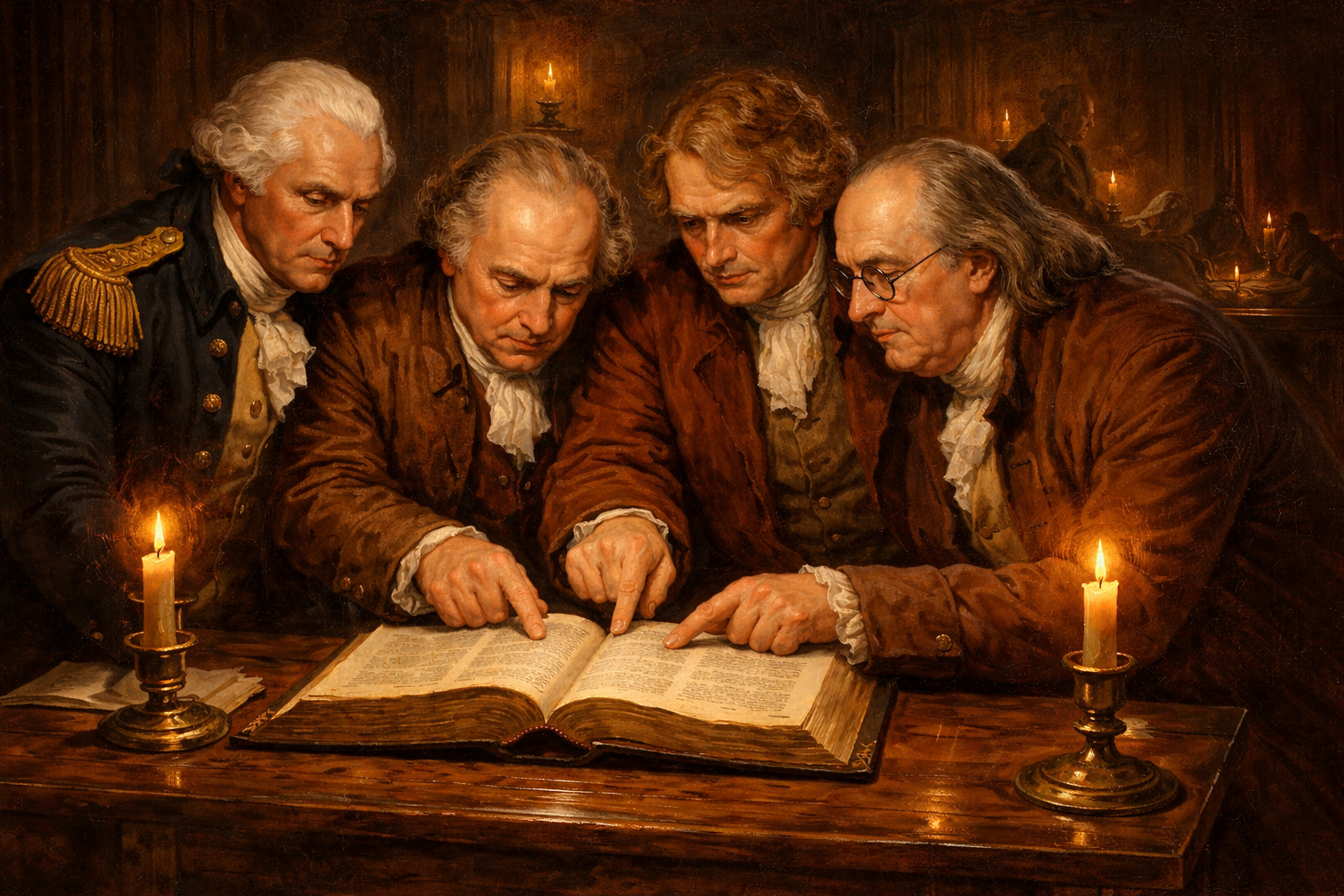
The founders were not quiet about the relationship between faith and self-governance. We have simply stopped listening.
Kennedy v. Bremerton School District — Full Opinion (2022) — Free PDF. Justice Gorsuch's majority opinion is a clear, accessible statement of what the First Amendment actually protects. A Guardian who engages culture in any public role should read it.
Average Joe: One Man's Faith, Courage, and a Supreme Court Battle for the Ages — Joe Kennedy with James Ranney (2023). Kennedy's own account — straightforward, personal, and grounded. The book is less about the legal drama and more about the faith that sustained it. Worth reading alongside the court opinion itself.
First Liberty Institute — Coach Kennedy Case Page — Free. The legal organization that fought for Kennedy for seven years. Their case page includes background, timeline, and video. A useful resource for anyone who wants to understand the full legal and human story.
Kennedy didn't set out to change the law. He set out to keep a promise. The law changed because he wouldn't break it.
Stay formed. Stay visible. Stay on your knees.
Carry the Cross.