The Crucible
Issue 16 | Saturday, March 28, 2026 | The Commission

– 3 min read


Issue 16 | Saturday, March 28, 2026 | The Commission
James asks one of the most uncomfortable questions in the New Testament: what good is faith that produces nothing?
He is not asking whether you believe. He assumes you do. He is asking whether that belief has left any mark on the week you just lived. On the conversations you had, the people you moved toward, the moments where you chose the faithful response over the comfortable one.
This week was built around that question. Not as theory. As practice. The word came. The only question now is what it produced.
James opened the week with a mirror. A person stands before it, sees something true about themselves, and walks away unchanged. Not because the word wasn't real. Because they never let it become action. James calls it self-deception — and he is not gentle about the diagnosis.
From the mirror, James moved to the practical: what does a life transformed by knowing God actually look like? Not a better set of religious practices. A bridled tongue. Movement toward the person with no leverage. A life that has quietly resisted the world's logic about what matters. These are not duties. They are evidence.
The cultural front this week made the same argument from a different angle. A report from Harvard and BYU confirmed what formed believers have known for generations: faith communities produce outcomes — moral formation, accountability, purpose, belonging — that the institution has never been able to replicate. The resource was always there. It was simply ignored. The data has caught up. The question is whether the people who have been building that infrastructure will now step into the rooms that need it.
Thursday put a name and a face on what living faith looks like over a lifetime. William Wilberforce did not merely believe slavery was wrong. He introduced the bill to abolish it for eighteen years before it passed, through physical decline, political opposition, and sustained resistance. That is dead faith's opposite. That is the body breathing.
Friday named a fault line in the American church that deserves honest attention: young men are returning to faith in numbers not seen in decades. Young women are leaving at the same time. Both trends are real. Both carry implications for every Guardian who cares about what the local church becomes — and for every man who has taken a seat in the pew and not yet asked what he is going to build now that he is there.
Faith that produces nothing is dead. That is not a rebuke — it is a diagnostic. The question James leaves you with is not whether you believe. It is whether what you believe is alive in you.
The week gave you chances. Some you took. Some you didn't. That is every week. The point is not perfection. The point is direction — and the next step.
Friday — He's There. But She's Not. examines the widening gender gap in church attendance — what's driving men back, what's driving women out, and what the church that wants to be whole needs to do about both.
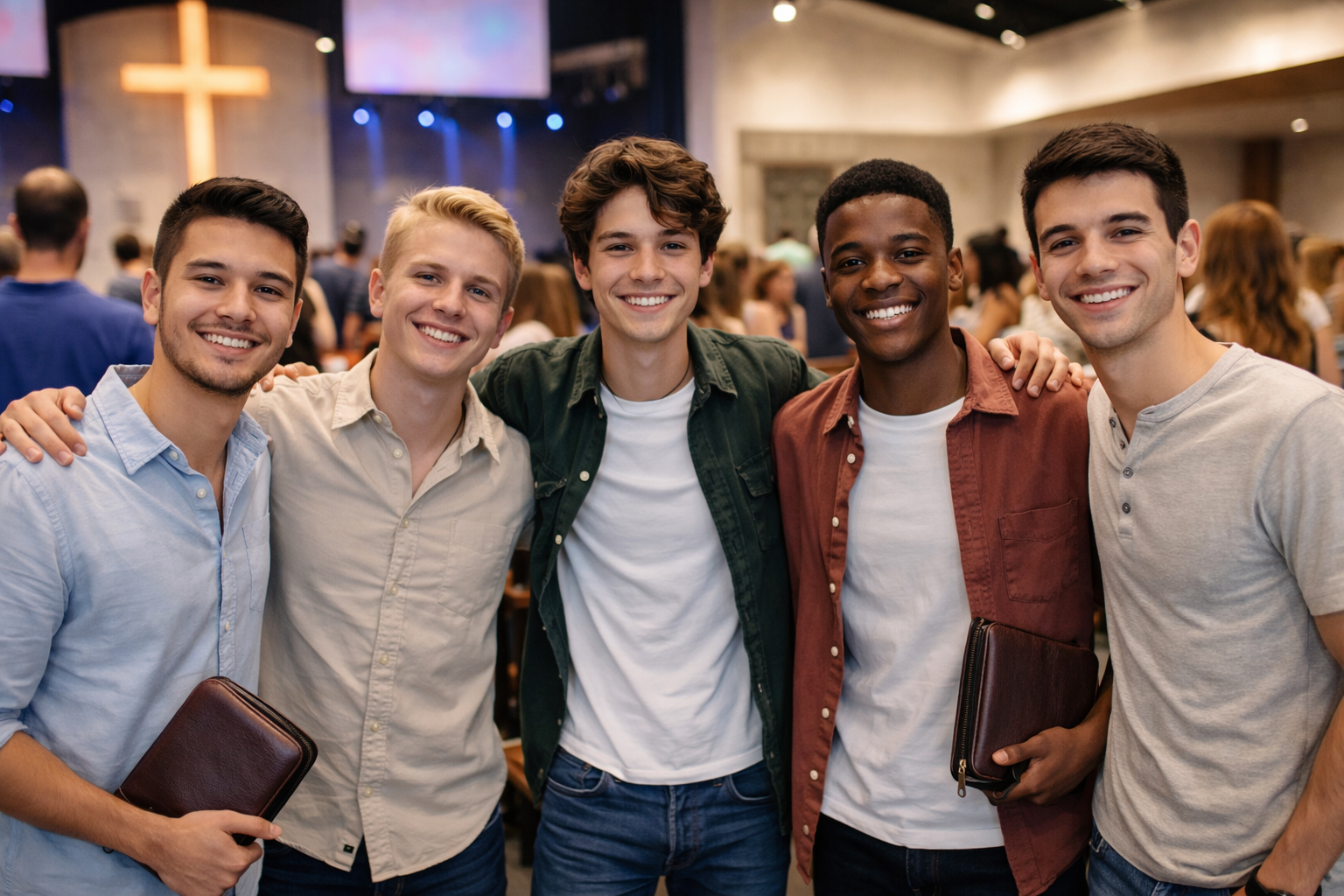
New data confirms young men are returning to church at rates not seen in decades. Young women are leaving at the same time. Both trends are real. Both deserve a serious answer.
Guardian, here are your orders for the week ahead.
The word came to you this week. It showed you the mirror. It named what transformation actually produces. It put a face on what living faith looks like across a lifetime. It told you where the church is gaining ground and where it is losing it.
Now the week is over. And the only thing that matters is what moves.
Not the intention. Not the conviction you felt reading this. What actually happens Monday morning when you walk into the room, face the conversation, make the decision, and choose whether your faith is alive in that moment or whether it stayed in the mirror.
You were not formed to sit still. You were formed to carry the word into the week and let it do something.
Go do something with it.
Carry the Cross.
Learn more about The Guardians' Cross → theguardianscross.org