The Crucible | The Decision Has Already Been Made
Issue 43 | Saturday, May 30, 2026 | The Commission
– 5 min read

Issue 43 | Saturday, May 30, 2026 | The Commission
On Tuesday, we walked through what happened in a courtroom in Northern Ireland on May 6, 2026. A 78-year-old retired pastor preached John 3:16 on a Sunday morning near a hospital where the clinic was closed. He mentioned no one. He threatened no one. He was convicted anyway — fined, given a criminal record, and sent home with proof that in Britain today, you can be prosecuted not for what you said but for what you are believed to believe.
The formation question was not political. It was personal: would you have kept preaching? And beneath that — have you counted the cost of the Word before the moment arrives, so that when it does, the decision is already made?
On Thursday, we went back five centuries to a man who had answered that question at a desk in Gloucestershire before anyone was watching. William Tyndale left England, entered exile, spent twelve years hunted across Europe, survived sixteen months in a castle prison, and went to the stake with a prayer on his lips for the king who had ordered his execution. He did not produce that posture in the moment of crisis. He had built it long before the crisis arrived. The conviction was settled. The cost was counted. What remained was only the carrying out of what had already been decided.
Now it is Saturday. The arc is complete. The week is ahead.
This week built three things into the formed believer who read it carefully.
A clear-eyed view of the moment. The Johnston conviction is not a cautionary tale from a foreign country. It is the logical endpoint of a legal and cultural logic that is already present in American institutions — the premise that speech causing subjective distress is harm, that harm justifies restriction, and that religious expression in contested spaces is presumptively problematic. The formed believer does not watch the UK stories with detached concern. They watch them as a person reading a map — noting the terrain, marking the road, deciding in advance what they will do when the road arrives at their door.
A model of what counted cost produces. Tyndale is not an inspiration poster. He is a proof. The conviction that the Word of God must reach ordinary people — that the ploughboy deserved the same Scripture the Bishop of London was hoarding in Latin — was tested by exile, by poverty, by betrayal, by imprisonment, and by death. It held at every point. Not because Tyndale was extraordinary by temperament, but because the conviction was settled and the cost had been counted. What was built at the desk could not be dismantled at the stake.
A formation standard. This is what The Crucible is for. Not information. Not inspiration. Formation — the slow, deliberate work of building a posture that holds under pressure because it was built before the pressure arrived. The Johnston conviction and the Tyndale story are not content. They are mirrors. The question they put to every reader is the same: what are you building right now, in the quiet, before anyone is watching?
Three specific commissions. Take one. Take all three. But do not close this issue and return to the week unchanged.
One: Name your room. Every formed believer has a room — a workplace, a family, a neighborhood, a social circle — where speaking the truth would cost something real. Name it. Not in the abstract. Specifically. That room is your arena. The commission is to decide, before you walk back into it Monday morning, what you will say and what you will not concede.
Two: Count the cost out loud. Not to everyone — but to someone. The cost of the Word gets real when it is spoken. Find one person — a spouse, a close friend, a brother in the faith — and say out loud: here is what it would cost me to say what I believe in the room I am in. And I have decided it is worth it. That conversation is formation. Have it before Sunday is over.
Three: Give someone Tyndale. The formed believer does not keep what they learn. Pass the story. William Tyndale: A Biography by David Daniell is the definitive account. But even a three-sentence summary — the Bishop refused him, he translated anyway, the ploughboy got the Scripture — is a seed. Plant it in someone who needs to know that the cost of the Word has been paid before, by people who had less protection than you do, and that the Word survived every one of them.
Sunday is the reset. The week ahead is not neutral terrain. There are rooms where the truth is unwelcome, conversations where the Word will provoke, moments where staying quiet is the easier choice and the worse one.
The formed believer does not walk into those rooms deciding in real time. They walk in already carrying what this week built — a settled conviction, a counted cost, a decision that was made in the quiet before the pressure arrived.
Johnston kept preaching because he had already decided. Tyndale kept translating because he had already decided.
The Commission for this week is the same it has always been: decide now. Before the room turns. Before the cost becomes visible. Before the moment requires an answer you have not yet given.
Decide. Then carry it in.
The week ahead will give you at least one moment where speaking what is true would cost you something. The formed believer does not improvise that moment. They have already decided — in the quiet of a Saturday morning, before the room is watching — that the Word is worth it. That decision, made now, is the difference between Johnston with his hands cuffed still preaching and the person who quietly folds. Make it now.
This week The American Guardian ran three pieces in the arc.
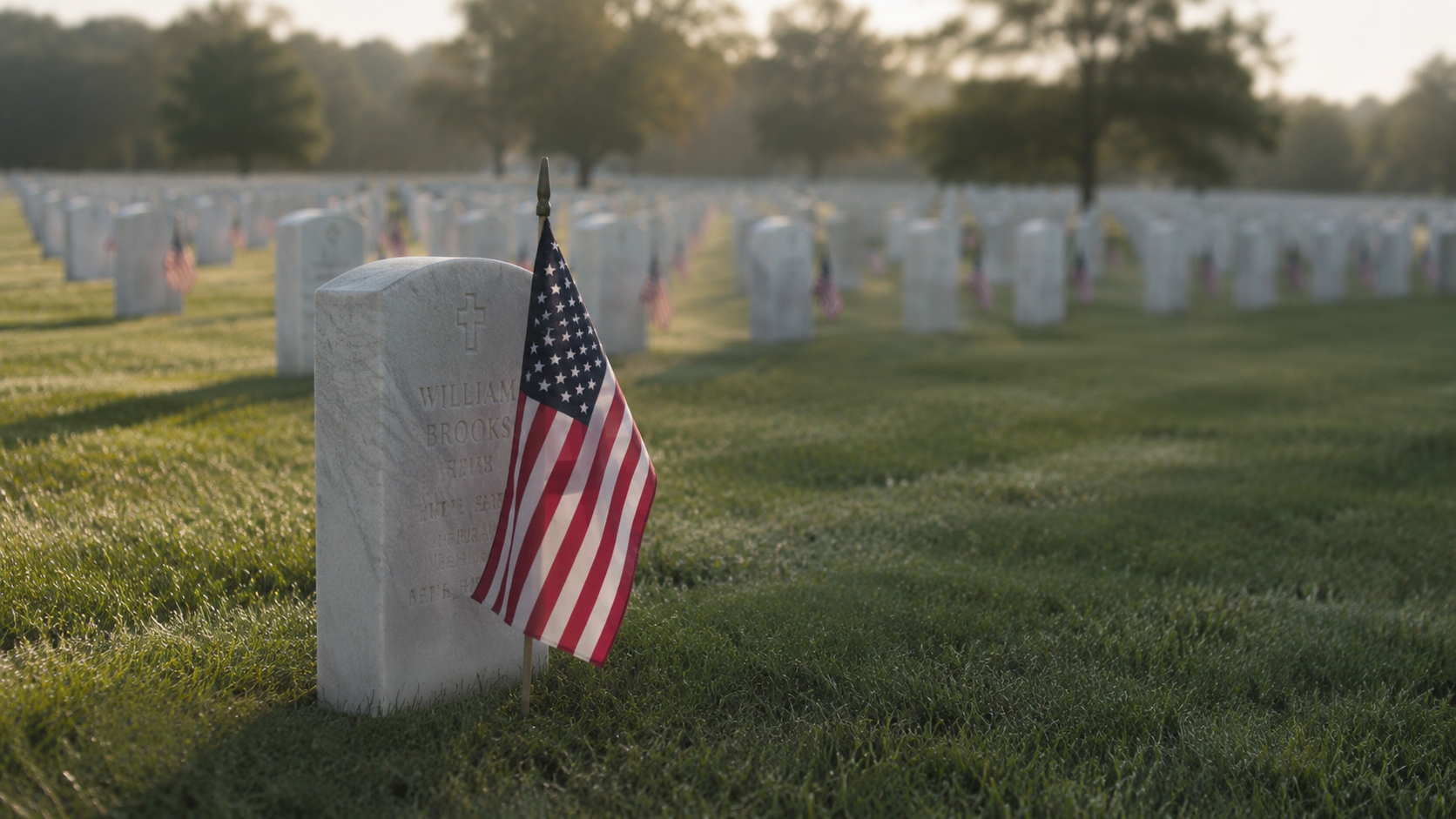
Monday — They Didn't Die for a Government. They Died for an Idea.
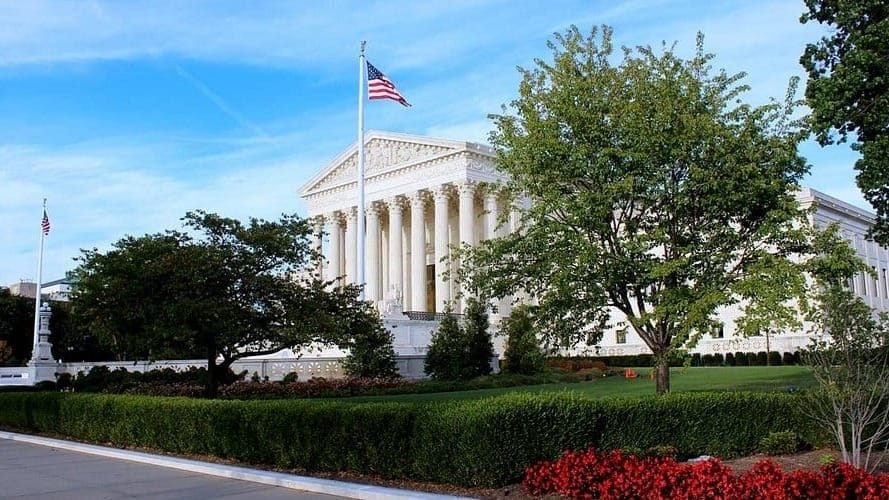
Wednesday — Where Rights Come From — And Why the Answer Changes Everything.
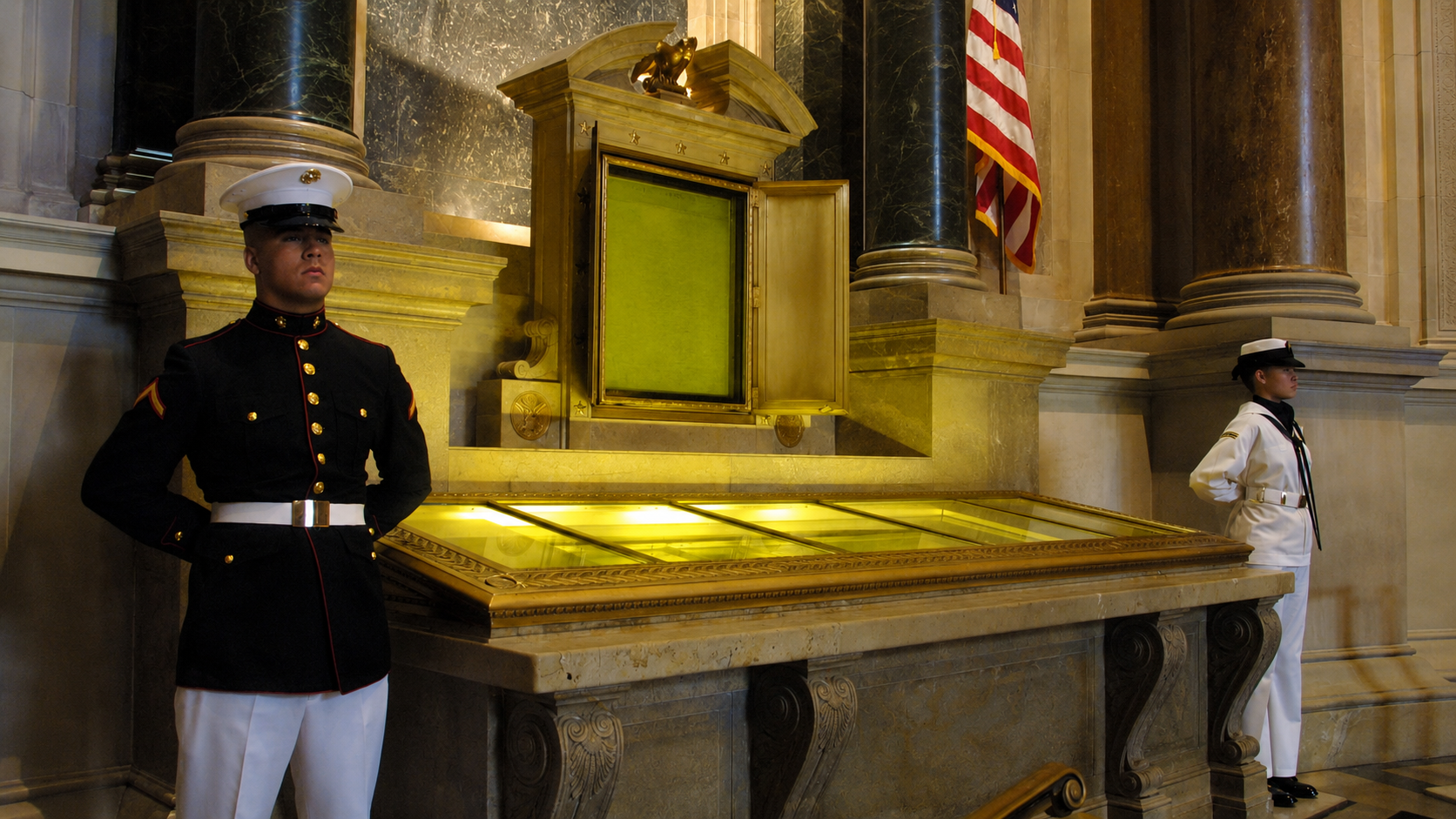
Friday's issue — The Most Radical Sentence Ever Written Into a Government Document — makes the argument that the word "endowed" is what makes the Declaration unique in all of human history: rights that precede the state, given by a Creator no government can outrank.
Tyndale died proving that argument 240 years before Jefferson wrote it down. The Bishop of London had the institutional power. He did not have the authority. Neither does any government that tries to silence the Word.
Read all three at theguardianscross.org.
William Tyndale: A Biography — David Daniell (1994). The book to give. The man whose counted cost put the Scripture in your hands.
The Insanity of God — Nik Ripken (2013). For the believer who thinks the Johnston fine is the worst it gets. Read what counted cost looks like in a country with no First Amendment.
God and Government — Chuck Colson (2007). The framework for knowing where the obligation to Caesar ends and the obligation to God begins. Acts 5:29 is not a slogan. Colson shows you what it means.
Johnston kept preaching. Tyndale kept translating. The ploughboy got the Scripture.
The Word has always had a cost. It has always been worth it. The formed believer does not discover that in the moment of pressure. They carry it in — already settled, already counted, already decided.
That decision is yours to make. Make it today.
The Guardians' Cross is a Christian formation and cultural engagement ministry — equipping believers to carry their faith into every room and every arena. Learn more → theguardianscross.org